 Free shiping on order over 100 USD
For generations, Curious George has been one of the most beloved children’s book series in the world. Created by H.A. and Margret Rey, the adventures of the curious little monkey have entertained young readers while teaching valuable life lessons. Beyond the fun stories and memorable characters, Curious George plays an important role in early childhood learning by encouraging curiosity, problem-solving, and creativity.
Parents and educators continue to use Curious George as a tool to help children develop essential skills while fostering a love of learning.
Encouraging Natural Curiosity
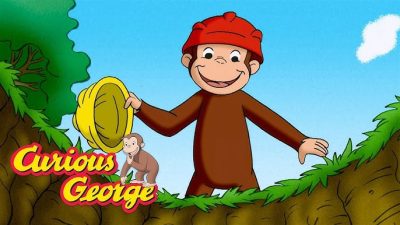
One of the biggest reasons Curious George supports early learning is its focus on curiosity. George is constantly asking questions, exploring new environments, and trying to understand how the world works.
Young children naturally share this sense of wonder. By watching George investigate unfamiliar situations, children learn that asking questions and seeking knowledge are positive behaviors. This helps build confidence and encourages lifelong learning habits.
Teaching Problem-Solving Skills
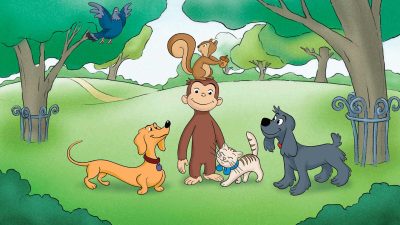
Many Curious George stories revolve around challenges that George must overcome. While his curiosity sometimes gets him into trouble, he often finds creative ways to solve problems and help others.
These situations teach children the importance of critical thinking and perseverance. Readers learn that mistakes are a normal part of learning and that problems can often be solved through patience and creativity.
This lesson is especially valuable during early childhood when children are developing their decision-making abilities.
Building Language and Reading Skills
The simple language and engaging storytelling found in Curious George make the books ideal for young readers. The stories introduce new vocabulary in a way that is easy to understand while reinforcing basic reading comprehension skills.
Parents often use Curious George books as read-aloud stories, helping children improve listening skills, sentence recognition, and language development. The combination of illustrations and text also supports visual learning and comprehension.
Promoting Creativity and Imagination
George’s adventures encourage children to think creatively and imagine new possibilities. Whether he is exploring a museum, visiting a farm, or experimenting with everyday objects, his experiences inspire children to view the world as a place full of discovery.
Creative thinking is an important part of early education because it helps children develop innovation, adaptability, and self-expression. Curious George shows that learning can be both educational and fun.
Teaching Positive Social Values
In addition to academic skills, Curious George helps children learn important social and emotional lessons. Throughout the series, George demonstrates kindness, empathy, and a willingness to help others.
His relationship with the Man with the Yellow Hat also teaches children about trust, responsibility, and supportive guidance. These values help young readers better understand friendships, family relationships, and community interactions.
Curious George is much more than a collection of entertaining stories. Through curiosity, problem-solving, language development, creativity, and positive social lessons, the series provides valuable support for early childhood learning.
Its timeless appeal continues to make it a favorite among parents, teachers, and children alike. By encouraging young readers to explore, ask questions, and embrace new experiences, Curious George helps build the foundation for a lifelong love of learning.
If you are a fan of Curious George, you can buy Curious George Merch & Gifts at Curious George Store.
